






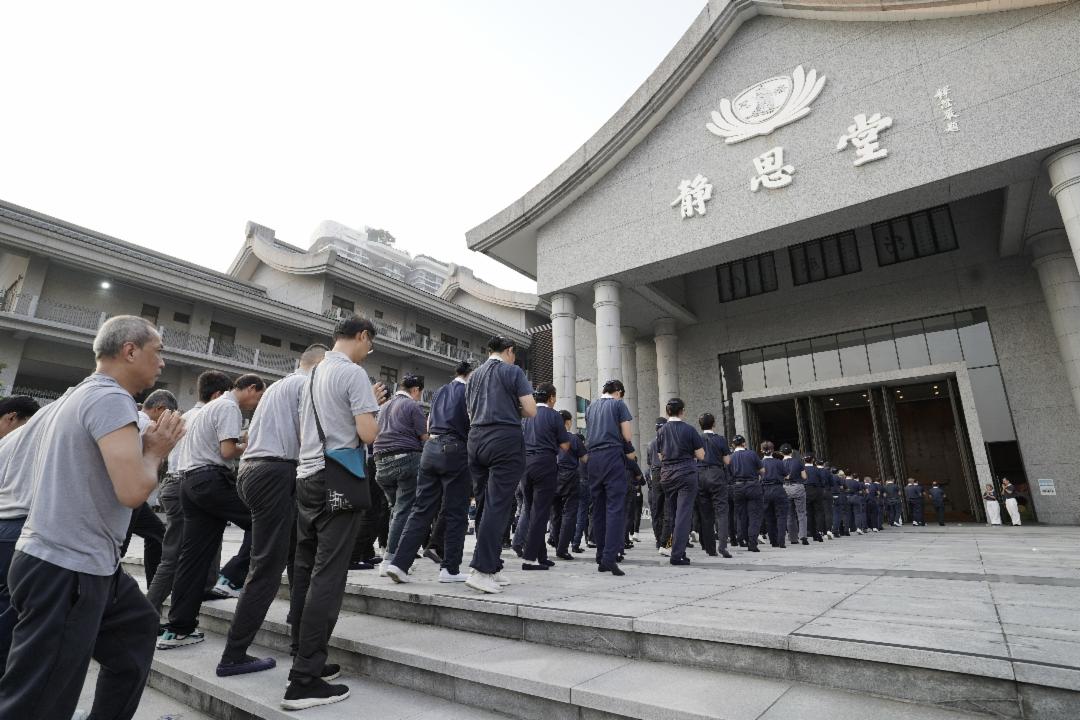
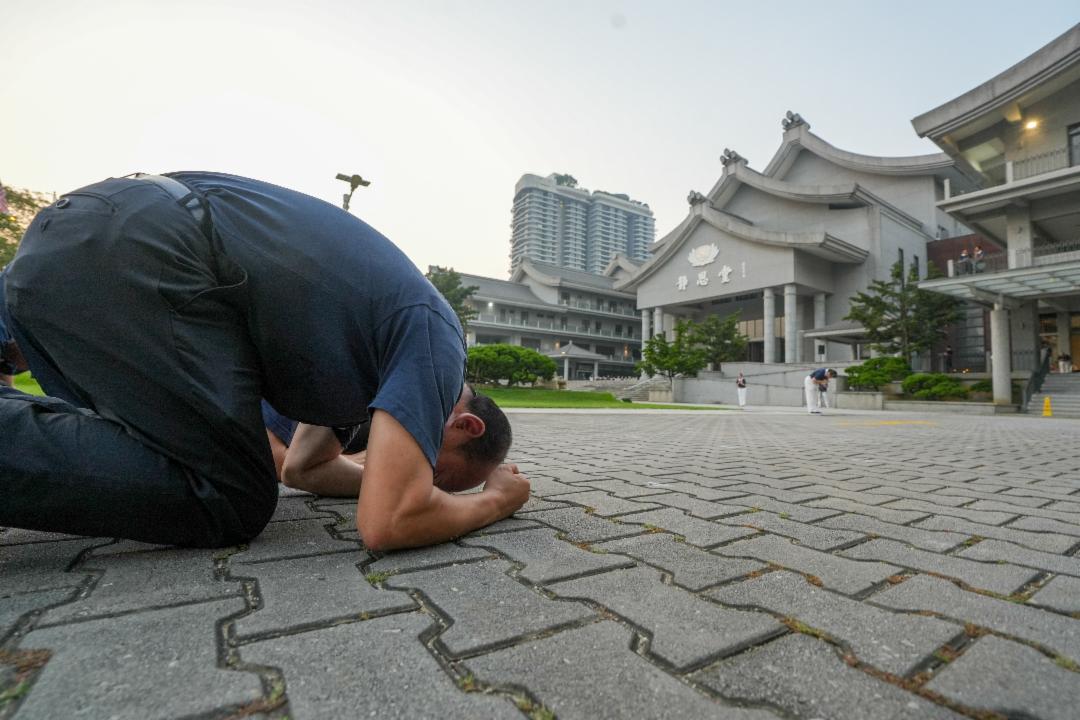
![United in rhythm, participants let go of worldly attachments with every three steps and one bow, finding stillness through sincere reverence. [Photo by Lee Kwee Yap]](/images/Articles/RW/2026/KL20260404_lgy01_012.jpg "United in rhythm, participants let go of worldly attachments with every three steps and one bow, finding stillness through sincere reverence. [Photo by Lee Kwee Yap]")
In the early morning of 4 April 2026, a solemn and dignified prostrating pilgrimage unfolded at the KL Tzu-Chi Jing Si Hall. Leaving behind the chaos of the everyday world, 700 participants, comprised of members of the public and volunteers, gathered in the cool morning air, embarking on a journey of inner reflection and renewal.
By 6 a.m., the procession was already neatly assembled, with each participant carrying a different yet equally sincere intention. Some came seeking repentance, others carried memories of loved ones, while many arrived burdened by confusion and worry, hoping to find peace and clarity.
The weather was gentle, with neither harsh sun nor rain. The cool air seemed to lend quiet support to the occasion. As the chanting of “The Incense Praise” began, the space gradually fell into stillness, drawing the participants into a shared sense of calm.
◎ Lessons for parents and children
Amidst the soothing recitation of Buddha’s name, the pilgrimage began. The participants advanced slowly, taking three steps before performing a full, forehead-to-ground prostration.
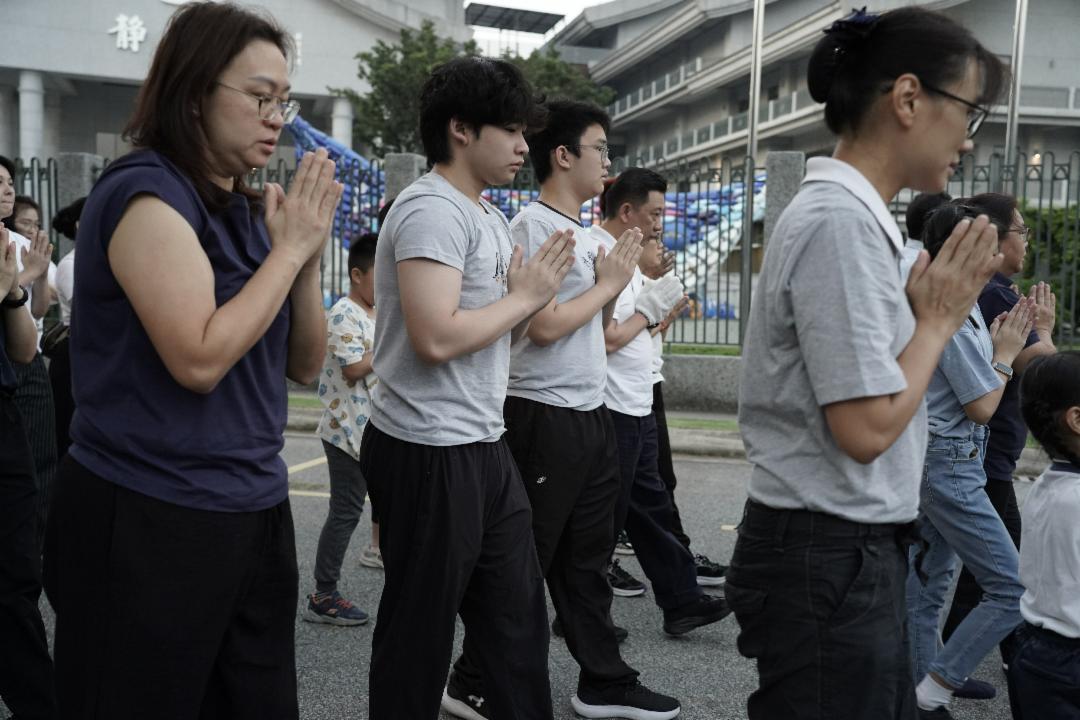
Among the crowd were many parents walking alongside their children. Children are a parent’s greatest attachment, bringing constant worries about their health, growth and future. To join the pilgrimage together was more than participation in a ritual; it was a way to guide them in learning calmness, reflection, and resilience through life’s ups and downs.
Rachel Yap shared candidly that conflicts are inevitable, whether at work, at home, or in relationships. What matters, she said, is the willingness to correct and improve oneself. “I can only start by fulfilling my own responsibilities,” she reflected, “and I hope to guide my children to grow better too.”
She brought her two children along, hoping they would learn, through action, how to reflect and change for the better. “When they step into society in the future, they may be better prepared to handle interpersonal conflicts.”
After completing the pilgrimage, she felt a profound shift within. “I feel more open now, more able to let go. It truly helps me gain insights into life.” She also expressed her hope to continue improving both at work and at home, with a more positive mindset.
Speaking of her children, she smiled with relief. “Last year, my child was very shy and didn’t dare to try anything. But this time, he confidently learned how to perform a prostration. I can really see the change, and it brings me great comfort.”
◎ A grounding experience for youth
Among the younger participants, some were returning, while others were experiencing it for the first time. Many carried hopes for academic success, yet also faced uncertainty about the future. Amid competition and pressure, it is easy for the mind to become unsettled.
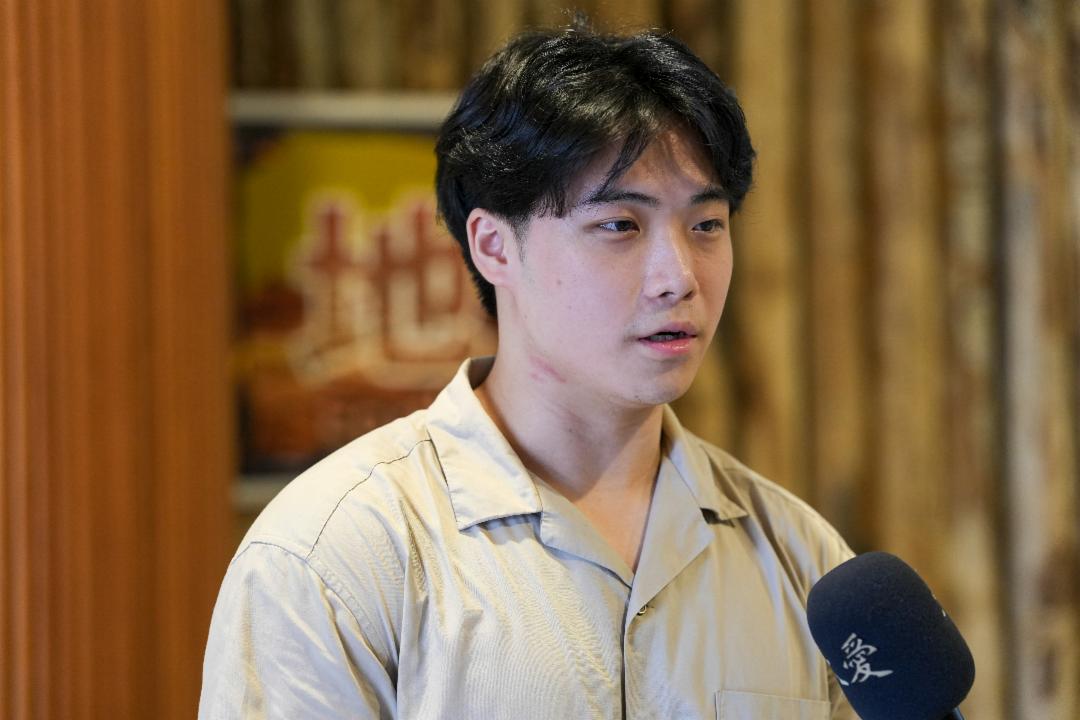
Jaden Ooi Shen Jay, a chemical engineering student in the UK, shared, “It is currently the Easter break, and I came because my mum invited me.” For him, the pilgrimage was a meaningful and interesting experience. “After completing it, I felt very calm and was happy to be part of it. It was also a great opportunity to reflect on my past actions.”
He recalled participating a few years ago as well. “As I went through the 108 prostrations, I reflected on what I had done before.” He admitted that he had once been less friendly in his interactions and could be impulsive sometimes. Gradually, he came to realise, “Many things could have been avoided. I need to learn to manage myself better and keep improving.”
He also expressed his gratitude, “I am thankful to all the volunteers for giving me such a pleasant and memorable experience.” Having previously taken part in Tzu Chi’s mooncake production and packaging, he shared his willingness to volunteer. “If there is an opportunity, I hope to help promote these activities so more people can understand Tzu Chi’s work.”
◎ A conversation with the heart
As the Qingming Festival approached, many found their thoughts turning to family. Some thought of their ageing parents, while others remembered loved ones who had passed on. Unspoken filial devotion and lingering regret surfaced gently within.
“With every kneel comes deep reflection; with every rise, a silent blessing.” Emotions flowed with each step. Through the rhythm of three steps and one bow, participants entered into a quiet dialogue with their memories and made peace with their past.
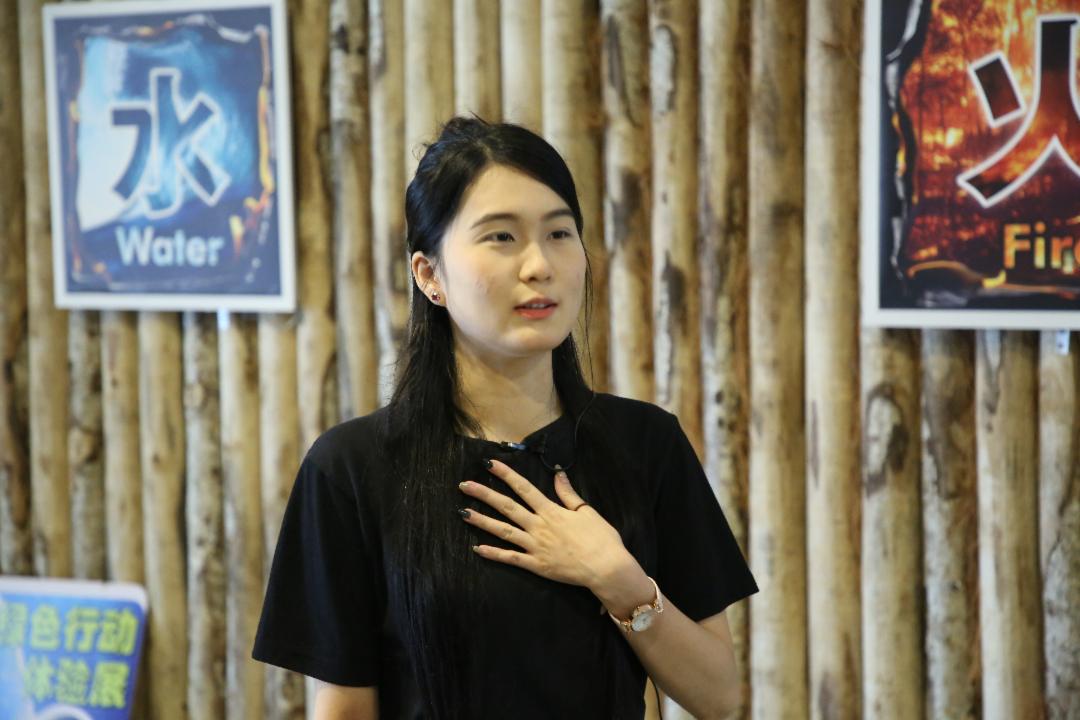
Twenty-five-year-old Liew Weng Yan from Subang Jaya joined the pilgrimage for the first time through a friend’s invitation. Though she had been invited the previous year, she was unable to attend. This time, she came with curiosity and anticipation.
“There were moments to quiet the mind and moments of chanting,” she shared. Though unfamiliar with the verses, she joined her palms, closed her eyes and immersed herself in the experience. A wave of emotion surged from her heart, “a feeling like forgiveness and a sense of compassion”, moving her to tears.
As she continued, drawing on her childhood exposure to Buddhism, she gradually found her rhythm and began to move in perfect synchronisation with the procession. “I simply focused on what I was doing and didn’t pay much attention to anything else around me.”
Her participation this time also carried a personal meaning—her longing for her late mother. Unable to return home for Qingming, she chose to express her remembrance through the pilgrimage.
“Beyond repentance, forgiveness and compassion, I offered this piece of my heart to my mother.” Though composed as she spoke, her emotions were clearly layered. “She passed away when I was very young.” Between parent and child, there remained an irreparable sense of regret for never having had the chance to fulfil her filial duties.
As the pilgrimage progressed, she chose to let go, transforming her regret into blessings. She believes that even across different realms, her heartfelt thoughts would still find their way to her.
Physically, the journey was demanding, with aching hands, knees and forehead, and compounded by lack of sleep, she experienced moments of dizziness. “I did think about stopping midway,” she admitted, but in the end, she chose to continue.
What carried her through was a simple thought: “I just wanted to see how far I could go.” Step by step, bow by bow, she completed the journey with sincerity.
◎ A special family time with 108 bows
Amid the solemn procession, there were also tender family moments. A group of children from Da Ai Kindergarten Kepong joined the pilgrimage with their parents. Standing just behind them, parents anchored their attention in each bow, quietly supporting their children through the experience.
Teh Yi Chun was one of them. She shared that she had never participated before. “Last year, my son joined with his father. After coming home, he shared the rituals and songs, and even ‘practised’ them with his sister and me.” Inspired by him, she and her husband decided to join this year with both children.
That morning, she woke her four-year-old daughter early for milk. Her son, Yi Zhe, however, got up immediately. “Usually, we have to call him several times. But when it comes to the pilgrimage, he woke up right away.” His eagerness was clear.
As a homemaker, she is often busy with household duties and caring for her children. At times, their squabbles could feel overwhelming. Yet during the pilgrimage, her state of mind gradually shifted.
“Following the group—three steps, one bow—my mind slowly settled, and a sense of peace followed.” Even with her daughter by her side, she did not feel distracted.
Six-year-old Yi Zhe shyly held up two fingers, indicating it was his second time participating. “I bowed, and I like coming here with Daddy and Mommy.” When asked if he felt tired, he shook his head.
Though young, he quietly and steadily completed all 108 prostrations alongside his classmates, showing remarkable perseverance and sincerity.
The family also plans to participate in Tzu Chi’s Buddha Bathing Ceremony in May. “By participating together as a family, we hope to nurture kindness in our children, especially as Tzu Chi marks its 60th anniversary.” With parents’ companionship and guidance, the pilgrimage became not just a spiritual practice, but also a journey of passing on love and goodness within the family.

◎ Walking through life’s trials with resolve
On the same pilgrimage route, some walked with a different kind of determination.
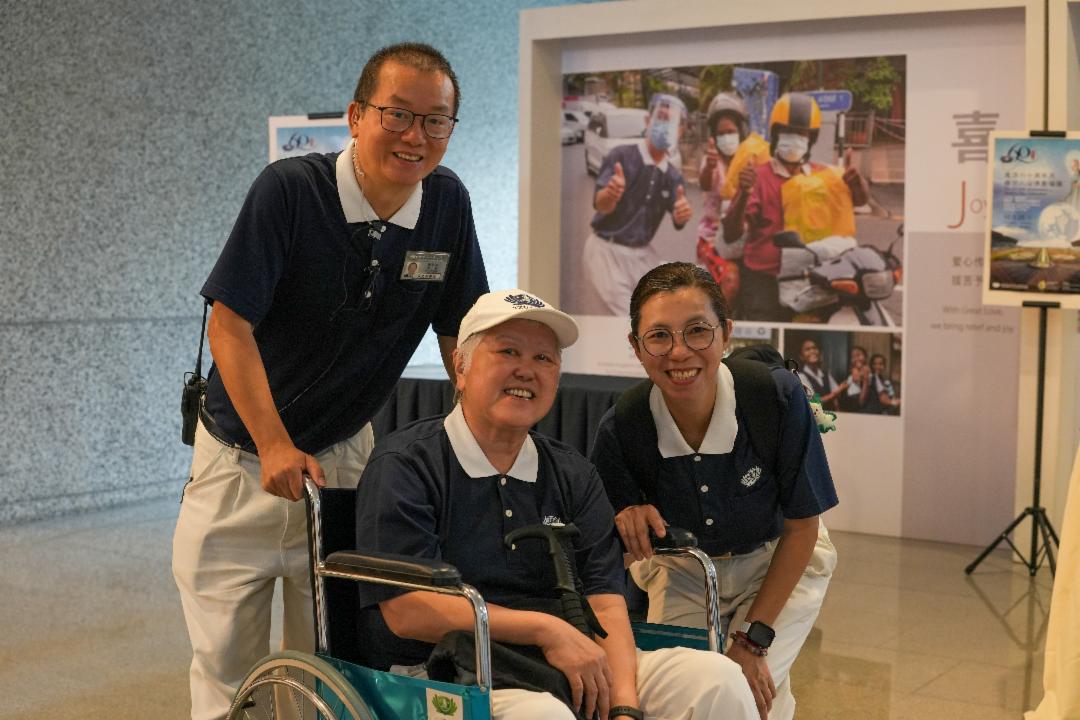
Ong Siew Geok shared softly, “After so many years in Tzu Chi, this is my first time participating in the pilgrimage.” Since taking on her role in the Documenting Team in 2011, she had always been behind the camera, capturing others’ moments, never experiencing the journey herself.
This year, due to illness, she was unable to continue her usual responsibilities. Seizing the opportunity, she came as a participant. “I have been looking forward to this day.”
That morning, accompanied by fellow volunteers, she sat in a wheelchair at the back of the procession. As the chimes and chanting began, she replaced kneeling with deep bows, anchoring her mind in each movement, and completed all 108 bows.
Though the physical exhaustion and pain were real, her mind was calm. “Watching the rows of people prostrating in perfect unison, I was so captivated by the solemn beauty, and the pain simply drifted away.”
Her illness deepened her understanding of life’s impermanence. “When the body is unwell, many things are beyond our reach.”
Yet she did not retreat. Instead, her resolve grew stronger. “Don’t let illness bring everything to a halt.” She continues her treatment, while contributing within her capacity, holding onto the belief of “entrusting the body to doctors, and the heart to Buddhas and Bodhisattvas”.
After completing her first pilgrimage, she shared her wish with a smile: “I hope to recover soon, so I can return to serving in the Documenting Team.” The journey has transformed her unwavering spirit of giving into a quiet, steadfast strength.
●
As morning light filled the grounds, the pilgrimage came to a peaceful close. Yet for many, it marked the beginning of a renewed inner journey.
Each kneel and rise was not merely a physical act, but part of a deeper process of reflection and inner transformation. In the repetitive movement and ritual, participants found space to look closely within, learning to realign themselves and release their burdens.
As the pace of the body slowed, the mind naturally settled. This clarity within is perhaps the most profound gift for those on the pilgrimage.
(Sources: Liew Huei Shiang, Chan Lai Yee, Chin Sheau Yuan, Lee Chee Keat)
